
About
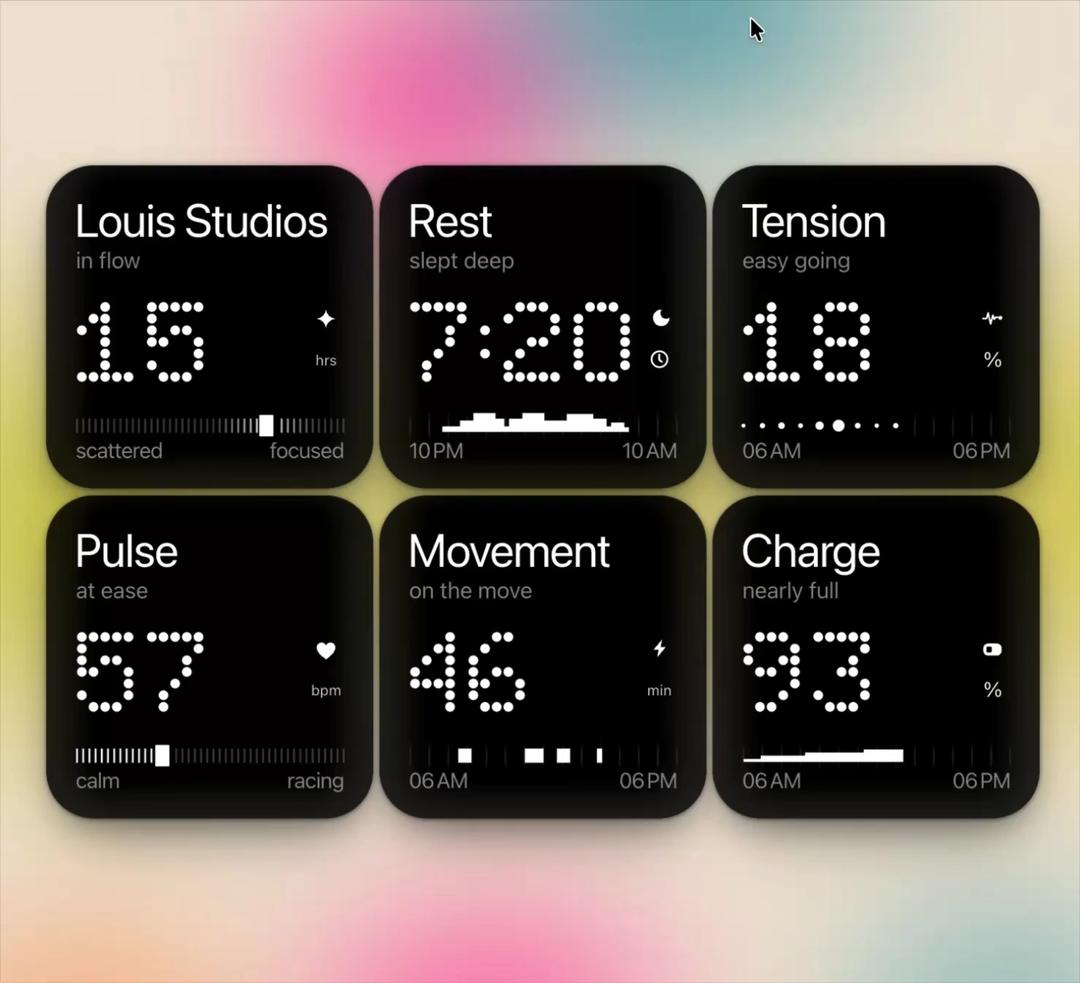
Black glass metric tiles with dot-matrix numerals that count up dot by dot, draw in their sliders, sleep steps and timelines, then drift gently live. More like this, plus a designer your coding agent can use, at studios.lou15.com/?ref=21st
Built with React and Tailwind. Copy the prompt and paste it into Claude Code, Cursor or Lovable: your agent adds Dot Tiles to your project and fits it to your theme.
Code
How Dot Tiles is used: the demo's code. The component's own source comes with a free account.
Usage.tsx
"use client"

import * as React from "react"
import { DotTiles } from "@/components/ui/dot-tiles"

const blooms = [
  "radial-gradient(30% 24% at 60% 12%, rgba(30,138,156,.85), rgba(30,138,156,0) 70%)",
  "radial-gradient(22% 20% at 42% 20%, rgba(232,36,148,.9), rgba(232,36,148,0) 70%)",
  "radial-gradient(30% 34% at 14% 52%, rgba(200,196,52,.95), rgba(200,196,52,0) 72%)",
  "radial-gradient(30% 34% at 88% 50%, rgba(206,198,60,.9), rgba(206,198,60,0) 72%)",
  "radial-gradient(48% 30% at 50% 50%, rgba(196,190,64,.9), rgba(196,190,64,0) 72%)",
  "radial-gradient(26% 18% at 46% 90%, rgba(236,56,150,.85), rgba(236,56,150,0) 72%)",
  "radial-gradient(24% 20% at 16% 92%, rgba(238,132,64,.6), rgba(238,132,64,0) 72%)",
  "radial-gradient(24% 20% at 84% 90%, rgba(48,150,166,.55), rgba(48,150,166,0) 72%)",
].join(",")

export default function DotTilesDemo() {
  return (
    <div className="relative grid min-h-screen w-full place-items-center overflow-hidden p-6" style={{ background: "#efe4d4" }}>
      <div aria-hidden className="absolute -inset-[12%]" style={{ filter: "blur(40px) saturate(1.1)", background: blooms }} />
      <div className="relative w-full max-w-[680px]">
        <DotTiles />
      </div>
    </div>
  )
}
More by Louis Studios
View all

Warp Carousel
1.1K
Peak Chart
873
Glow Rocker
156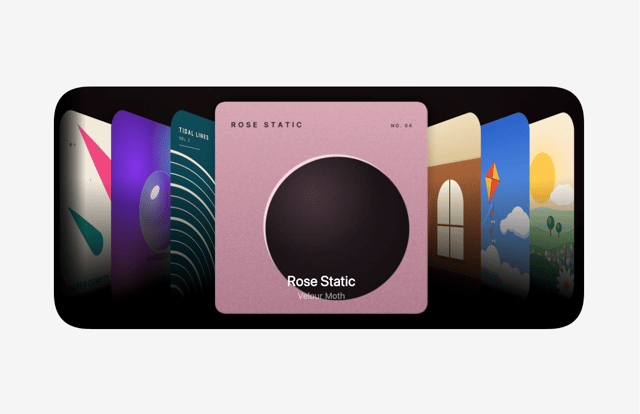
Cover Flow
126
Chapter Player
124
Chrome Arcs
124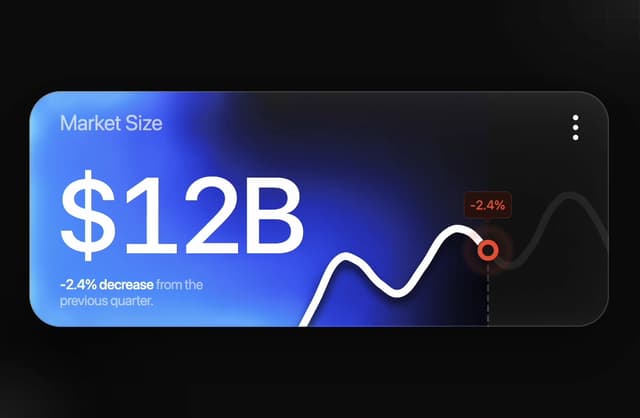
Market Card
106
LED Badges
96
More in Cards
View all

Course Design Cards
1.3K

Statistics Card 7
327
Statistics Card 2
305

Interactive Tech Stack Bento Grid with Hover Effects
625

Card Studio
5
The Item one
4

Weather Card
65

Card
9